

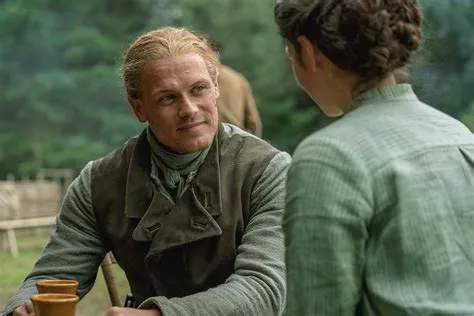
ShopSmart.co.id – The conclusion of a highly anticipated television series, particularly one as rich and intricate as Outlander, often elicits a profound mixture of satisfaction and melancholy among its devoted viewership. The Outlander finale represents the culmination of years of storytelling, character development, and intricate plotting, drawing from the expansive literary universe crafted by Diana Gabaldon.
Developed and showrun by Ronald D. Moore, the television adaptation has consistently strived to honor the spirit and complexity of Gabaldon’s novels, translating the epic journey of Claire and Jamie Fraser to the visual medium with remarkable fidelity. The final episodes are therefore tasked with providing a fitting resolution to a narrative arc that has spanned centuries, continents, and the enduring power of love.
Thematic Resonance in the Season Conclusion
A successful Outlander finale is expected to encapsulate the core thematic concerns that have underscored the entire series. Foremost among these is the enduring nature of love against all odds, a central pillar of Claire and Jamie’s relationship. Their journey has been marked by separation, war, and profound personal sacrifices, yet their bond has remained an unshakeable constant.
Furthermore, themes of historical context, the clash of cultures, and the impact of individual choices on the grand sweep of history are invariably explored. The narrative often probes the moral complexities faced by characters navigating different eras, forcing them to make decisions with far-reaching consequences.
Character Arcs Reaching Their Zenith
The resolution of character arcs is paramount in any series finale, and Outlander is no exception. Viewers anticipate seeing the ultimate trajectories of Claire and Jamie, their personal growth and the enduring strength of their partnership brought to a meaningful conclusion. Their individual journeys, often fraught with internal conflict and external challenges, must find a satisfying sense of closure.
Beyond the central couple, supporting characters who have garnered significant audience affection also require well-defined endings. The fates of Brianna, Roger, and other key figures within the extended Fraser family are of considerable interest, reflecting the intricate web of relationships that define the saga.
Adapting Gabaldon’s Narrative: The Showrunner’s Vision
Ronald D. Moore, as the developer and showrunner, has been instrumental in shaping the television adaptation of Diana Gabaldon’s novels. His approach to the Outlander finale would necessarily involve a careful distillation of the source material, identifying the most impactful narrative threads to conclude.
The challenge for Moore and his writing team lies in condensing potentially vast amounts of plot and internal monologue from the novels into a television-friendly format, ensuring that the emotional weight and thematic depth are preserved for the screen. This often requires strategic adjustments and a keen understanding of dramatic pacing.
The Role of Diana Gabaldon’s Literary Foundation
Diana Gabaldon’s extensive and meticulously researched novels provide the bedrock upon which the Outlander television series is built. The author’s intricate world-building and complex characterizations offer a rich tapestry from which to draw for any narrative conclusion.
While the television series may diverge from the books in certain aspects for narrative expediency or creative interpretation, the core essence of Gabaldon’s storytelling, particularly concerning the central romance and historical immersion, remains a guiding force. The Outlander finale, therefore, carries the weight of expectations shaped by the beloved literary source.
Anticipation and Fan Expectations for the Conclusion
The anticipation surrounding an Outlander finale is invariably high, fueled by years of investment in the characters and their extraordinary circumstances. Fans often develop deep emotional connections to Claire, Jamie, and their extended family, leading to fervent speculation about their ultimate fates.
These expectations encompass not only narrative resolution but also the emotional impact of the ending. Viewers hope for moments of profound tenderness, epic heroism, and a sense of earned peace for the characters who have endured so much.
Potential Narrative Directions and Thematic Closures
The Outlander finale has the potential to explore various narrative directions, each offering different avenues for thematic closure. One common approach involves bringing the central characters to a point of relative peace, allowing them to reflect on their lives and the sacrifices made.
Alternatively, the ending might emphasize the cyclical nature of history and the ongoing legacy of the Fraser family, suggesting that their story, in a broader sense, continues beyond the confines of the series. This could involve a poignant look towards the future generations.
The Legacy of Outlander
Regardless of the specific narrative choices made in its conclusion, the Outlander finale will inevitably cement the series’ legacy. Its impact extends beyond mere entertainment, having introduced a vast audience to Scottish history, the complexities of time travel, and a deeply resonant love story.
The series’ success, spearheaded by Ronald D. Moore’s vision and grounded in Diana Gabaldon’s compelling novels, has created a cultural phenomenon that continues to captivate audiences worldwide. The final episodes will serve as a lasting testament to this enduring appeal.
Frequently Asked Questions About the Outlander Finale
What are the main themes explored in the Outlander finale?
The Outlander finale typically emphasizes the enduring power of love, the complexities of historical context, and the consequences of individual choices on the larger tapestry of history. It aims to provide thematic closure that resonates with the series’ overarching concerns.
How does Ronald D. Moore approach adapting the book’s ending for television?
As the developer and showrunner, Ronald D. Moore carefully selects and condenses key narrative elements from Diana Gabaldon’s novels to create a visually compelling and emotionally impactful conclusion for the television series, ensuring the core essence of the story is maintained.
What are fan expectations for the Outlander finale?
Fans often anticipate a satisfying resolution to the central love story of Claire and Jamie, alongside the fates of their family and friends. There is a strong desire for emotional resonance, epic moments, and a sense of earned peace for the characters.
How does Diana Gabaldon’s work influence the Outlander finale?
Diana Gabaldon’s meticulously crafted novels serve as the foundational narrative for the series. The Outlander finale draws heavily from her literary universe, aiming to honor the spirit and depth of her characters and their extensive journeys.
What is the enduring legacy of the Outlander series, and how does the finale contribute to it?
The Outlander series has garnered a significant following for its blend of historical drama, time travel, and epic romance. The finale is crucial in solidifying this legacy by providing a memorable and fitting conclusion that reflects the series’ unique contributions to television storytelling.