

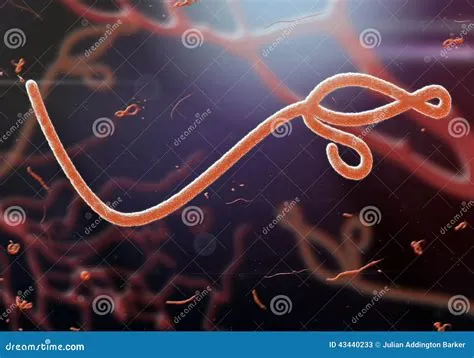
ShopSmart.co.id – The Ebola virus, also known as Ebola virus disease (EVD) and Ebola hemorrhagic fever (EHF), represents a severe and often fatal illness in humans and other primates. This zoonotic disease is characterized by viral hemorrhagic fever, stemming from infection by four of the six known species within the genus Ebolavirus. Understanding the multifaceted nature of this pathogen is paramount for effective containment and public health strategies.
The initial emergence of Ebola virus was documented in 1976 in two simultaneous outbreaks in South Sudan and the Democratic Republic of Congo. The proximity of the latter outbreak to the Ebola River, from which the virus derives its name, provided a clear geographical link. Since its initial discovery, the virus has been responsible for numerous epidemics across various African nations, posing significant challenges to global health security.
Understanding the Ebola Virus and its Origins
Ebolaviruses are filamentous viruses that belong to the family Filoviridae. There are several distinct species, including Zaire, Sudan, Reston, Taï Forest, Bundibugyo, and the critically important Lloingou virus, which is not known to cause disease in humans. Of these, four species – Zaire, Sudan, Bundibugyo, and Taï Forest ebolaviruses – are known to cause severe disease in humans. The Reston ebolavirus, while capable of infecting humans, has not been observed to cause illness in them.
The precise origin of the Ebola virus remains a subject of ongoing scientific investigation, though it is widely accepted to be of zoonotic origin. It is believed that fruit bats, particularly those of the Pteropodidae family (fruit bats), are the natural reservoir hosts for the virus. These animals can carry the virus asymptomatically and transmit it to other animals, and subsequently, to humans. The initial human infection typically occurs through direct contact with infected animals, such as bats or primates, or through their bodily fluids.
Modes of Transmission and Initial Symptoms
Human-to-human transmission of the Ebola virus occurs through direct contact with the blood, secretions, organs, or other bodily fluids of infected individuals. It is also possible to become infected through contact with contaminated surfaces and materials, such as bedding or clothing, which have been exposed to these bodily fluids. Healthcare workers who treat EVD patients are at risk of infection due to potential exposure to contaminated medical equipment or through direct contact with infected patients without appropriate personal protective equipment (PPE).
The incubation period for Ebola virus disease, which is the time from infection to the onset of symptoms, typically ranges from 2 to 21 days. The initial symptoms are often non-specific and can be mistaken for other common illnesses, contributing to delayed diagnosis and containment. Early signs of infection frequently include a sudden onset of fever, intense weakness, muscle pain, headache, and sore throat. These initial manifestations can be misleading, making early identification challenging.
Progression of Symptoms and Hemorrhagic Manifestations
As the disease progresses, more severe symptoms typically emerge. Vomiting and diarrhea, often accompanied by abdominal pain, are common. A characteristic feature of more advanced Ebola virus disease is rash, which can appear on various parts of the body. Furthermore, impaired kidney and liver function may become apparent, along with in some cases, both internal and external bleeding. This hemorrhagic aspect, while not present in all cases, lends the disease its alternative name: Ebola hemorrhagic fever.
The hemorrhagic manifestations can vary significantly in severity. Some individuals may experience bleeding from the gums or nose, while others may exhibit significant internal bleeding leading to blood in the stool or vomit. In severe cases, bleeding can occur from venipuncture sites or any breach in the skin. This uncontrolled bleeding is a direct result of the virus’s impact on the body’s blood clotting mechanisms.
Diagnosis and Laboratory Confirmation
Diagnosing Ebola virus disease in its early stages can be difficult due to the similarity of its symptoms to other febrile illnesses such as malaria, typhoid fever, and meningitis. Definitive diagnosis relies on laboratory testing, which can detect the presence of viral antigens or antibodies in blood samples. Techniques such as enzyme-linked immunosorbent assay (ELISA), reverse transcription polymerase chain reaction (RT-PCR), and virus isolation are crucial for confirming an EVD diagnosis.
It is imperative that suspected cases are isolated and tested promptly to prevent further transmission. The use of appropriate biosafety protocols during sample collection and testing is essential to protect laboratory personnel. Early and accurate laboratory confirmation is a cornerstone of effective outbreak response and management.
Treatment and Supportive Care
Currently, there is no specific antiviral treatment or licensed vaccine for Ebola virus disease. However, significant advancements have been made in the development of experimental treatments and vaccines. Management of EVD is primarily focused on supportive care. This includes maintaining adequate hydration through oral or intravenous fluids, balancing electrolytes, and ensuring adequate oxygen levels and blood pressure. Patients are also treated for any secondary infections that may arise.
The crucial role of supportive care cannot be overstated, as it can significantly improve the chances of survival. The World Health Organization (WHO) has recommended specific experimental treatments, including monoclonal antibodies, which have shown promise in clinical trials. These therapies aim to neutralize the virus or bolster the patient’s immune response.
Prevention and Public Health Measures
Preventing the spread of Ebola virus disease involves a multi-pronged approach that focuses on public health measures and individual protective actions. Early detection and isolation of infected individuals are paramount to breaking the chain of transmission. Community engagement and education are vital to ensure that individuals understand the risks and take appropriate precautions.
Key preventive strategies include avoiding contact with the bodily fluids of infected individuals and practicing safe burial rituals for those who have died from the disease. In healthcare settings, strict infection control procedures, including the proper use of personal protective equipment (PPE) by healthcare workers and the disinfection of medical equipment, are essential. The development and deployment of effective vaccines have also become a critical tool in combating outbreaks.
The Role of Vaccines and Future Prospects
The development of effective vaccines against Ebola virus has been a significant breakthrough in the fight against this deadly disease. Several candidate vaccines have undergone rigorous testing, and some have demonstrated high efficacy in preventing EVD. The swift deployment of these vaccines during outbreaks has proven instrumental in controlling their spread and reducing mortality rates.
Looking ahead, continued research into the pathogenesis of Ebola virus, its ecological niche, and the development of even more potent and broadly protective vaccines remains a priority. Enhancing global surveillance systems and preparedness for future outbreaks are also critical components of a robust public health infrastructure capable of managing emerging infectious threats.
In conclusion, the Ebola virus presents a formidable public health challenge, demanding a comprehensive understanding of its epidemiology, transmission, and clinical manifestations. Through a combination of robust surveillance, effective public health interventions, supportive care, and the strategic deployment of vaccines, the international community can continue to mitigate the devastating impact of Ebola virus disease and strive towards its eventual eradication.
Frequently Asked Questions about Ebola Virus