

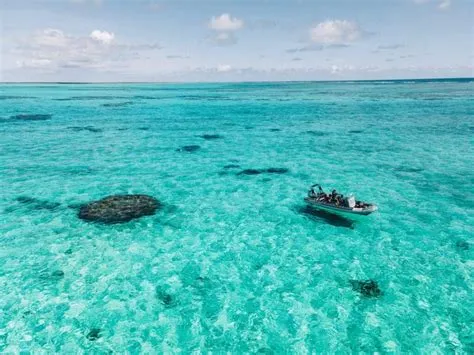
ShopSmart.co.id – Horseshoe Reef, situated off the coast of Rottnest Island in Western Australia, presents a vibrant underwater spectacle for both novice snorkelers and experienced divers. This naturally formed reef system is renowned for its biodiversity and the clarity of its surrounding waters. Exploring Horseshoe Reef offers an unparalleled opportunity to witness a thriving marine ecosystem teeming with life.
The geological composition of Horseshoe Reef contributes significantly to its ecological richness, providing diverse habitats for a multitude of marine species. Its distinctive shape, resembling a horseshoe, creates sheltered bays and more exposed areas, catering to a variety of aquatic organisms. These varied environments allow for a dynamic and captivating underwater experience.
Understanding the Horseshoe Reef Ecosystem
The ecosystem of Horseshoe Reef is a delicate balance of coral formations, rocky outcrops, and sandy seafloors. These diverse substrates support a wide array of marine flora and fauna, making it a critical area for conservation efforts. Understanding the interconnectedness of this environment is key to appreciating its beauty and importance.
Predominantly, the reef comprises a mix of hard and soft corals that serve as both a food source and shelter for numerous fish species. The presence of these corals indicates a healthy marine environment, free from significant pollution or over-exploitation. These foundational structures are vital for the reef’s overall health and the abundance of life it sustains.
Marine Life Abundant at Horseshoe Reef
Visitors to Horseshoe Reef can expect to encounter a dazzling variety of marine life. Schools of colourful fish are a common sight, darting amongst the coral gardens and rocky crevices. The abundant fish population is a testament to the health and productivity of the reef’s waters.
Among the commonly observed species are vibrant wrasse, curious parrotfish, and elegant butterflyfish, each contributing to the reef’s kaleidoscopic display. Larger species, such as King George whiting and even occasional small reef sharks, also frequent these waters, adding to the excitement of exploration.
Diving and Snorkeling Opportunities
Horseshoe Reef offers exceptional opportunities for both snorkeling and scuba diving. The generally shallow depths in many areas make it accessible for snorkelers, allowing them to observe the reef’s surface beauty with ease. The calm conditions often found within the reef’s natural embrace further enhance the snorkeling experience.
For scuba divers, Horseshoe Reef provides a more immersive exploration of its deeper sections and intricate structures. The underwater topography offers intriguing swim-throughs and overhangs, presenting exciting challenges and discoveries for those who venture below the surface. Professional dive operators on Rottnest Island can facilitate guided dives for all skill levels.
Best Times to Visit Horseshoe Reef
The optimal times to experience Horseshoe Reef are during the warmer months, typically from late spring through to early autumn in Western Australia. During these periods, water temperatures are more conducive to extended underwater activities, and visibility is often at its peak.
Calm sea conditions are also a crucial factor for maximizing enjoyment and safety. Planning a visit around periods of minimal swell and wind will ensure the clearest waters and the most pleasant experience for snorkeling and diving. Local marine forecasts should always be consulted prior to departure.
Responsible Interaction with the Marine Environment
Responsible interaction with the marine environment at Horseshoe Reef is paramount to preserving its delicate ecosystem for future generations. Visitors are strongly encouraged to practice eco-friendly behaviors while enjoying the underwater world.
This includes refraining from touching or collecting coral and marine life, as well as ensuring no litter is left behind. Adhering to these guidelines helps maintain the reef’s pristine condition and supports the continued flourishing of its inhabitants.
Accessibility and Getting to Horseshoe Reef
Horseshoe Reef is conveniently accessible from Rottnest Island, which is a short ferry ride from Fremantle or Perth. Once on Rottnest Island, various transportation options, including bicycle hire and bus services, can be utilized to reach the vicinity of the reef.
The most direct access to the reef for snorkeling and diving is typically via boat. Charter tours and private boat excursions are readily available and provide the most efficient means of reaching the prime locations within Horseshoe Reef. Some areas may also be accessible from shore, depending on the specific entry points and conditions.
Planning Your Visit
Thorough planning is recommended for an optimal visit to Horseshoe Reef. This involves considering accommodation on Rottnest Island, booking ferry tickets in advance, and arranging any necessary diving or snorkeling equipment rentals or tours.
Ensuring one has adequate sun protection, hydration, and appropriate swimwear is also essential for a comfortable day exploring the island and its underwater treasures. Familiarizing oneself with Rottnest Island’s visitor guidelines will further enhance the overall experience.
Conclusion: A Gem of Western Australia’s Coastline
Horseshoe Reef on Rottnest Island stands as a testament to the natural beauty and ecological significance of Western Australia’s marine environments. It offers a world-class destination for those seeking to connect with the ocean and its diverse inhabitants.
Whether one chooses to snorkel the shallows or dive the deeper reefs, the experience at Horseshoe Reef promises to be unforgettable, filled with wonder and the vibrant pulse of life beneath the waves. Its continued preservation is vital to ensuring this natural spectacle endures.
Frequently Asked Questions About Horseshoe Reef Rottnest
Can I snorkel at Horseshoe Reef without a boat?
While boat access is generally recommended for the best experience, certain sections of Horseshoe Reef may be accessible from shore. However, the prime areas with the most abundant marine life and interesting topography are typically reached by boat.
What kind of marine life can I expect to see at Horseshoe Reef?
Visitors can expect to see a wide variety of fish, including wrasse, parrotfish, and butterflyfish. Larger species like King George whiting and potentially small reef sharks are also inhabitants of the reef. Coral formations are a significant feature, providing habitat for this diverse marine life.
Is Horseshoe Reef suitable for beginner divers?
Horseshoe Reef offers areas suitable for divers of all skill levels. While some sections may be more challenging, many shallower areas with clear visibility are excellent for beginners. Guided dives with experienced operators are highly recommended for a safe and informative experience.
What is the best time of year to visit Horseshoe Reef?
The best time to visit Horseshoe Reef is during the warmer months, from late spring to early autumn. This period offers warmer water temperatures and often the clearest visibility. It is also advisable to check local marine forecasts for calm sea conditions.
Are there any specific rules or guidelines for visiting Horseshoe Reef?
Yes, responsible interaction is crucial. Visitors are advised not to touch or collect marine life or coral, and to ensure no litter is left behind. Adhering to eco-friendly practices helps preserve the reef’s delicate ecosystem.