

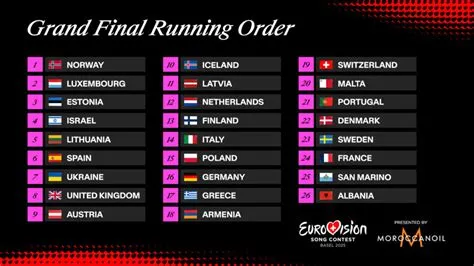
ShopSmart.co.id – The anticipation for the Eurovision Song Contest 2026 is already building, and with it comes the inevitable speculation surrounding the highly anticipated final running order. This crucial element of the contest profoundly influences audience perception and the overall success of participating nations’ entries. As the official home of the Eurovision Song Contest, eurovision.com serves as the central hub for all official announcements and information, including the eventual reveal of the running order for the Grand Final.
Understanding the strategic placement of each song within the final program is an art form, meticulously crafted by the host country’s organizing committee. This arrangement is not arbitrary; it is a complex puzzle designed to maximize viewer engagement, build dramatic tension, and ensure a memorable viewing experience from the first note to the final announcement of the winner.
The Art and Science of Slot Allocation
Opening Acts: Setting the Stage
The songs that open the Grand Final play a pivotal role in capturing the audience’s attention from the outset. An impactful opening act can immediately set a vibrant and exciting tone for the entire evening, encouraging viewers to remain tuned in for the duration of the broadcast. These entries are often chosen for their energetic tempo, visually appealing staging potential, or a strong, memorable melody that resonates instantly.
The selection of an opening slot is a strategic decision, aiming to create an immediate connection with the global audience. It is an opportunity for a country to make a bold statement and introduce the diversity of music that the Eurovision Song Contest celebrates, signaling the beginning of a grand spectacle of European (and beyond) musical talent.
Middle Order: Maintaining Momentum
The middle section of the running order is critical for sustaining viewer interest and preventing fatigue. Songs placed here are carefully balanced to offer a diverse range of genres, tempos, and emotional appeals. The aim is to provide a varied listening experience, ensuring that no two similar performances are scheduled consecutively, thereby preserving the distinctiveness of each entry.
This segment often features a mix of ballads, mid-tempo pop songs, and more experimental pieces. The challenge for the organizers is to create a dynamic flow that keeps viewers engaged, preventing them from switching channels or losing focus during the longest part of the broadcast.
The Power of the “Golden Slots”: Late Running Order
The so-called “golden slots” typically refer to the final few positions in the running order, particularly positions 19 through 26. These positions are highly coveted by competing nations, as they offer the greatest potential for the song to remain fresh in the minds of both the public and the professional juries leading up to the voting period. A song performed late in the show has a significant advantage in terms of recall.
Performing in these late slots allows an entry to be one of the last songs considered by voters, maximizing its immediate impact. This strategic placement is often reserved for strong contenders, though an unexpected performance from an earlier slot can also make a significant impression.
The Grand Finale Closer: Leaving a Lasting Impression
The final performance position in the Grand Final is arguably the most prestigious and strategically important. The act that closes the show has the unparalleled opportunity to leave the very last impression on the audience before the voting commences. This slot is often reserved for entries that are considered strong contenders for victory, boasting a powerful message, an anthemic quality, or a universally appealing sound.
A compelling closing act can galvanize support and ensure that the song is top-of-mind for viewers and juries alike. It is a moment of high drama, where the culmination of the evening’s performances sets the stage for the crucial voting and eventual crowning of the Eurovision winner.
Factors Influencing the Running Order Decision
Genre and Tempo Diversity
A primary consideration for the Eurovision organizers is the diversity of musical genres and tempos presented throughout the show. A running order that features too many similar songs, whether in terms of style, tempo, or emotional tone, risks becoming monotonous. Strategic placement ensures a varied sonic landscape, catering to a broader range of listener preferences and keeping the broadcast dynamic.
The aim is to create a captivating journey for the audience, moving seamlessly from a powerful ballad to an upbeat dance track, and then perhaps to a more experimental or culturally distinct performance. This variety is key to maintaining engagement across the spectrum of Eurovision’s diverse viewership.
Country Representation and Geographic Balance
While not always the most dominant factor, geographical and cultural representation can subtly influence the running order. Organizers may seek to avoid placing too many songs from neighboring countries or similar cultural blocs in close succession to allow each unique national identity to shine through distinctly. This approach helps to celebrate the pan-European and international spirit of the contest.
Ensuring a balanced representation across the broadcast can also be seen as a way to acknowledge the vast array of participating nations. This thoughtful consideration allows each country’s contribution to the Eurovision tapestry to be appreciated on its own merits.
Staging and Visual Impact
The visual elements of each performance are as crucial as the musical content, and the running order must accommodate staging considerations. For instance, performances requiring extensive set changes or complex technical setups might be strategically placed to allow sufficient time for preparation between acts. The flow of visual spectacles is a key component of the overall show’s pacing.
A well-paced running order ensures that the visual impact of each act is maximized. Organizers must balance the dramatic flair of elaborate staging with the need for a smooth and uninterrupted broadcast, creating a seamless visual narrative throughout the Grand Final.
The “Story” of the Show
Ultimately, the running order is designed to construct a compelling narrative arc for the entire Grand Final. It begins with an energetic introduction, builds through a diverse middle section, heightens tension with late performances, and concludes with a memorable closing act. This narrative structure is intended to guide the audience through an emotional and engaging journey.
The cumulative effect of this carefully curated sequence is a memorable and impactful viewing experience. The Eurovision Song Contest, in its entirety, becomes more than just a series of individual songs; it transforms into a cohesive and dramatic event, a testament to the power of thoughtful programming.
Looking Ahead to Eurovision 2026
As the Eurovision Song Contest 2026 approaches, the detailed planning and strategic decisions regarding the final running order will undoubtedly become a subject of intense interest. The official home of the Eurovision Song Contest, eurovision.com, will be the primary source for confirmed information once it is released.
Fans and industry professionals alike will scrutinize the order, analyzing how each placement might affect a song’s chances. The running order is a testament to the intricate planning involved in staging one of the world’s most-watched television events, ensuring it remains a thrilling and unforgettable spectacle for all involved.
The Role of Fan Expectations and Predictions
Before the official running order is announced, fan communities and media outlets will engage in extensive speculation and prediction. These discussions often revolve around perceived strengths of certain entries and the strategic advantages of particular performance slots, contributing to the pre-event buzz and anticipation.
These fan-driven narratives, while not influencing the official decision, play a significant role in building excitement and community engagement around the contest. They highlight the passionate global audience that the Eurovision Song Contest garners year after year.
Potential Impact on Voting Dynamics
The running order can subtly influence voting dynamics. A song performed immediately before a long commercial break or a recap might lose some of its impact, whereas a late slot ensures maximum visibility. Similarly, the placement of powerful ballads versus high-energy anthems can create strategic contrasts that sway viewer preferences.
Understanding these potential impacts allows for a deeper appreciation of the complexities involved in the contest. The order is not merely logistical; it is a crucial element in the overall competitive strategy of each participating nation.
The Unpredictability Factor
Despite meticulous planning, the Eurovision Song Contest often thrives on unpredictability. Unexpected jury votes, surprising public support, and the sheer talent on display can always shift the balance, irrespective of the running order. This inherent element of surprise is a hallmark of the contest’s enduring appeal.
The Eurovision 2026 final running order, once revealed, will undoubtedly spark considerable debate and analysis, but ultimately, the magic of the contest lies in its ability to transcend such strategic considerations and deliver a night of pure musical celebration and unexpected triumphs.